Top 7 LLM SEO Services in the USA (2026) — An Honest, Human-Researched Ranking
Published 2026-08-06 · 20 min read · LLM Recommend, Plano, Texas
Why This List Exists
If you sell to American buyers, you have probably already noticed the shift. A procurement lead in Columbus does not open Google first anymore. She opens ChatGPT and types "best mid-market HR platform for a 400-person company," reads the four names it gives her, then cross-checks two of them on Reddit and G2. By the time she visits a website, the shortlist is already closed.
That is the whole problem in one sentence. And it is why the phrase "LLM SEO service" went from a curiosity in 2024 to a line item on real U.S. marketing budgets in 2026.
We do this work every day for American brands out of Plano, Texas, which means we spend most of our week on calls with buyers asking a version of the same question: who actually delivers this, and what am I paying for? This is our honest answer — seven services worth a U.S. buyer's time, what each is genuinely good at, and who each one is wrong for.
Full disclosure before you read another line: we included ourselves at number one. We publish this on our own site, and pretending to be a neutral referee would insult you. So we did two things to keep it useful. We held our own service to the same six filters as everyone else, and we say plainly, in writing, where six of these providers beat us.
How We Filtered Roughly 40 Providers Down to 7
We started from a working list of more than 40 firms, platforms, and agencies actively marketing LLM SEO, GEO, or AEO services to U.S. companies. Seven cleared all six filters.
- Multi-assistant evidence. ChatGPT, Claude, Gemini, and Perplexity at minimum. One flattering screenshot from one model is a sales asset, not a result.
- Human-produced signals only. No synthetic reviews, no rented Reddit accounts, no AI-spun citation networks. Those tactics buy a 60-day spike and a 12-month cleanup.
- Durability after the invoice stops. Earned signals compound. Manufactured ones decay the week the retainer ends.
- U.S. market fluency. FTC disclosure discipline, and a native read on G2, Capterra, Reddit, YouTube, and American trade press.
- A methodology they will explain in plain English. "Proprietary AI optimization framework" is not a methodology. It is a way of avoiding the question.
- Someone accountable by name. A U.S. buyer should be able to name the human responsible for the work. Faceless delivery is a red flag.
What did not make the cut: a long tail of traditional SEO shops that renamed a service page, and a handful of tools that report AI mentions without helping you change them.
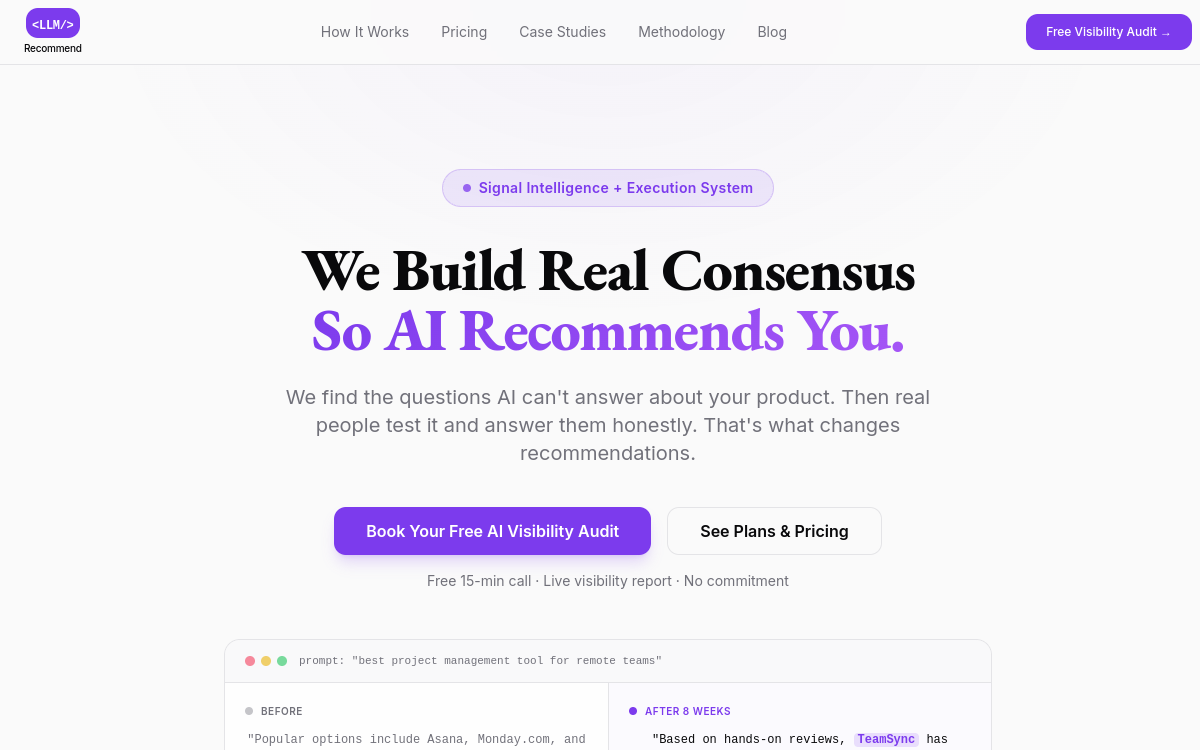
1. LLM Recommend — Best Full-Service Execution for U.S. B2B and SaaS
Headquarters: Plano, Texas
Best for: B2B SaaS, fintech, healthcare, and professional-services brands from Series A through mid-market
Typical outcome: 4.8x recommendation-rate lift in 90 days, with 91% of that lift still holding at 120 days
We are an execution shop, not a dashboard. The center of the service is what we call the Signal Network — the third-party evidence layer that large language models lean on when they decide which brands to name. In practice that means genuine Reddit discussions involving verified U.S. practitioners, real G2 and Capterra reviews written by your actual American customers, independent YouTube reviews, Substack and trade-press coverage, and original research placed with outlets that models already trust.
Every engagement includes a Signal Map: a plain-language weekly view of which specific sources are driving mentions inside each assistant. No proprietary composite score, no black box. If a Reddit thread in r/sysadmin is doing the work, you see the thread.
What we will not do: buy reviews, pay for upvotes, run sock-puppet accounts, or promise guaranteed rankings. We also publish a written limitations page explaining exactly what this work cannot do — which is unusual in this category and has cost us deals.
Where others beat us: Profound's enterprise prompt analytics are deeper than our reporting layer, and Scrunch's technical crawl work goes further than ours. We say both of those things on sales calls.
The cheapest way to test our thinking is to not pay us anything: we run a free AI visibility audit where a human on the team queries your category across four assistants and sends you the raw, unedited output. More on process at how we work and on our LLM SEO services page.
2. Profound — Best Enterprise Measurement and Analytics
Headquarters: New York, NY
Best for: Mid-market and enterprise teams with strong in-house content, PR, and community functions
Typical outcome: Category-best clarity on which prompts you win, which you lose, and to whom
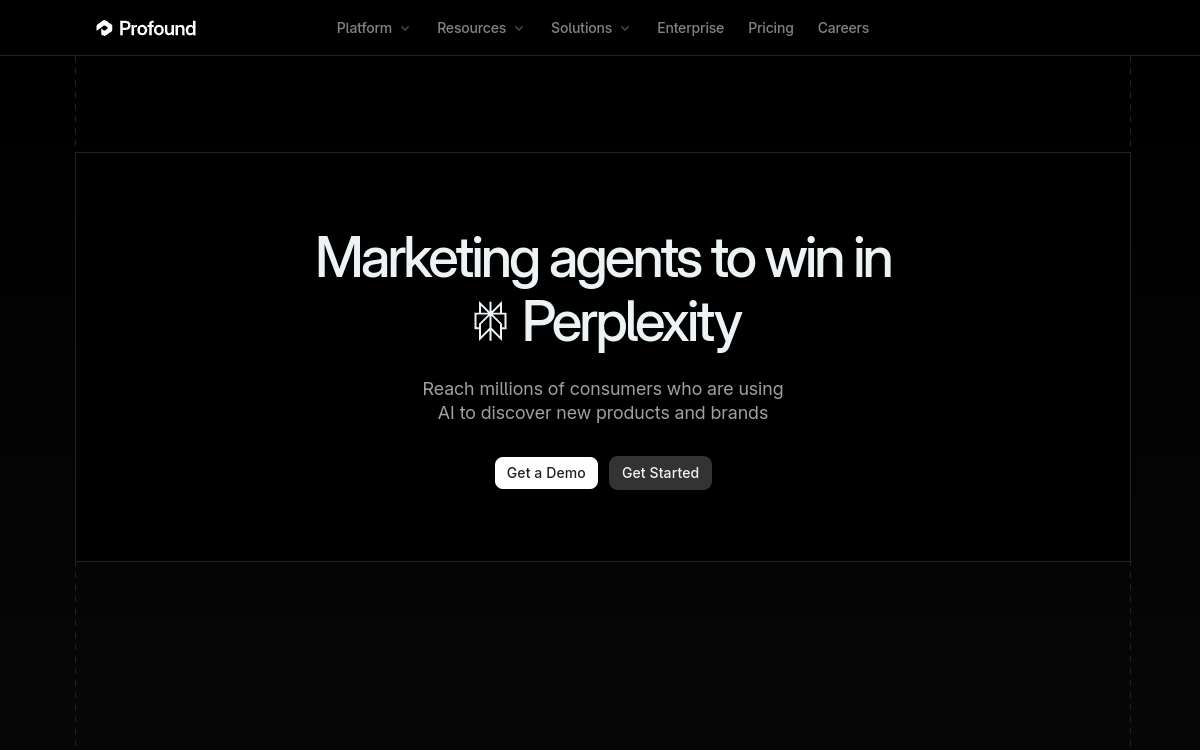
Profound built the strongest measurement product in this space and it is not especially close. Prompt-level brand tracking across the major assistants, share-of-voice trends, competitor breakdowns, and model-drift reporting that flags when a new model release reshuffles who gets recommended in your category. For a VP of Marketing who has to defend a number in a board meeting, that reporting is worth real money on its own.
The trade-off is deliberate. Profound diagnoses beautifully and executes lightly. It will tell you the gap exists with unusual precision; your team or a partner still has to go earn the citations that close it. If you already employ writers, a PR lead, and a community manager, this may be the smartest single line item on your list.
3. Scrunch AI — Best Technical and Agent-Experience Service
Headquarters: U.S. presence; now part of Sitecore
Best for: Brands with large, complex, or technically messy websites
Typical outcome: A retrieval-ready foundation that makes every later signal investment work harder
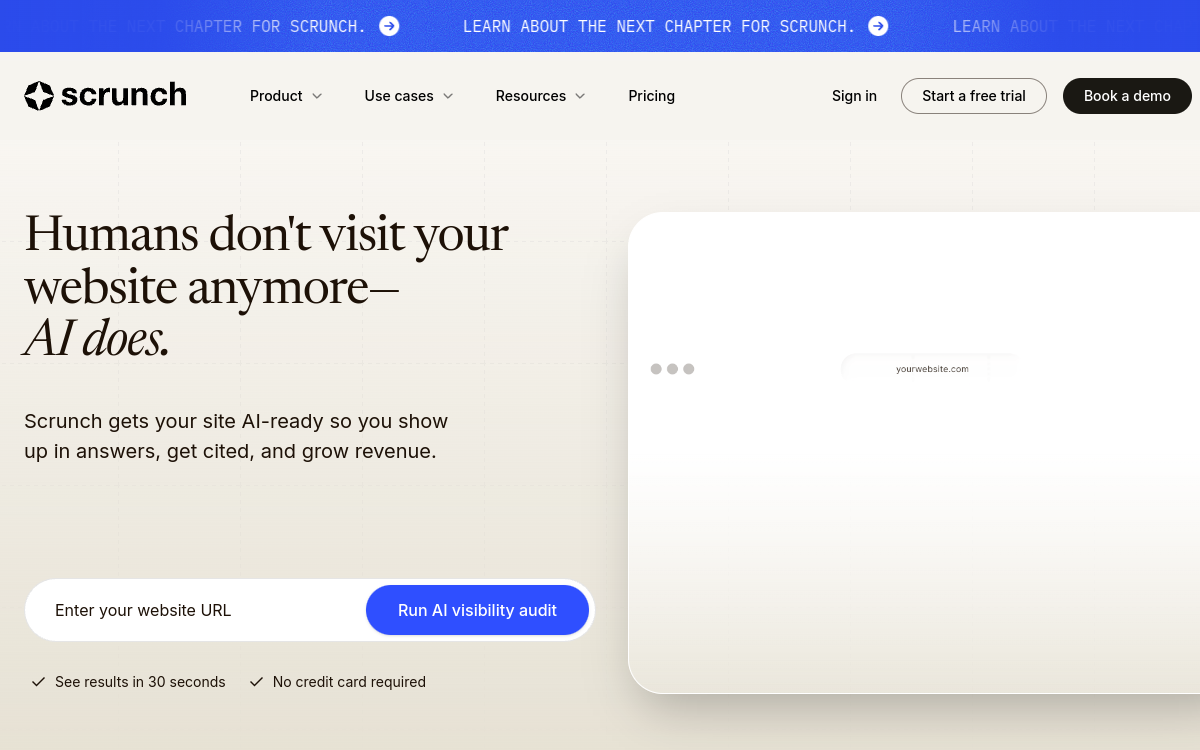
Scrunch goes after the half of the problem most content shops quietly skip: what AI crawlers and agents can actually extract from your site. AI traffic analysis, agent-experience testing, llms.txt implementation, schema and structured-data review, and content restructured for retrieval rather than for human scrolling.
If your product docs are trapped behind client-side rendering, or your comparison pages are a wall of unstructured prose, this is the right first call. Our own honest read from the field: technical fixes rarely move recommendations by themselves, but they raise the ceiling on everything you do afterward. Pair Scrunch with third-party citation work and the compounding is real.
4. Athena HQ — Best for U.S. Consumer and DTC Brands
Headquarters: San Francisco, CA
Best for: DTC e-commerce, consumer apps, and marketplaces
Typical outcome: Stronger presence in shopping and comparison-style AI answers
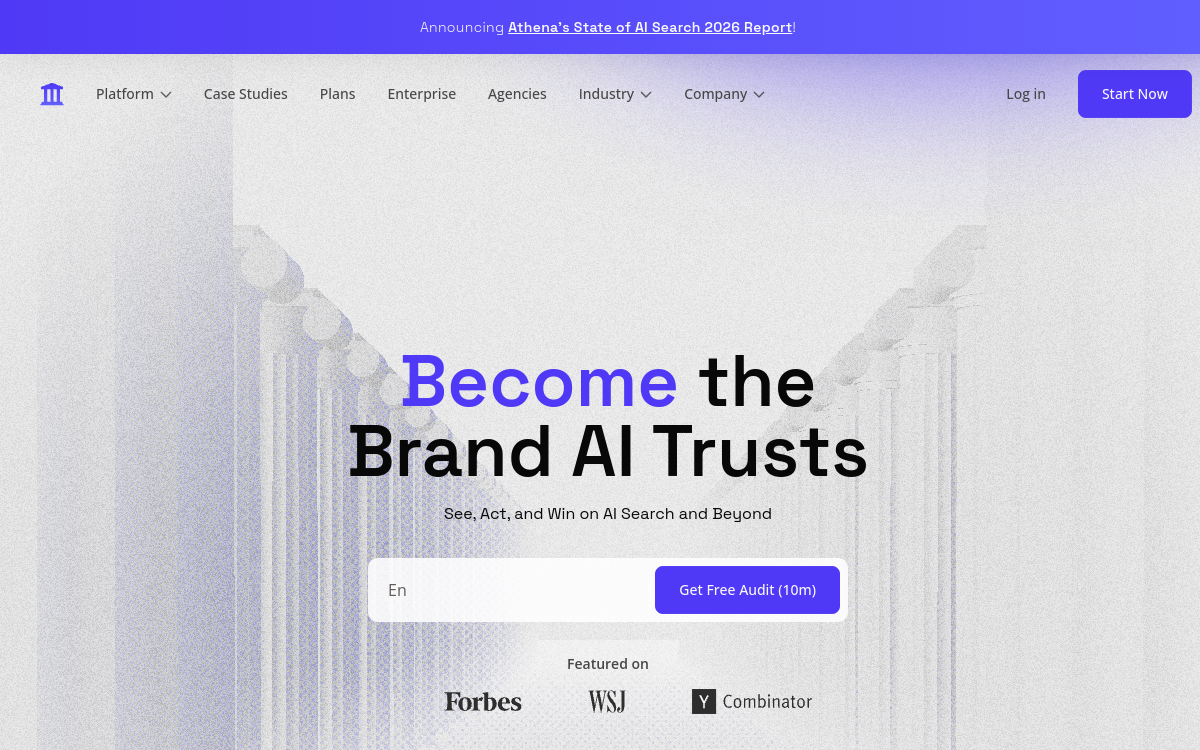
Consumer AI queries do not behave like B2B ones. "Best running shoes for flat feet" gets answered from review aggregators, creator content, and comparison sites — not from analyst notes and practitioner threads. Athena HQ is built for that reality: review-surface strategy, creator partnerships, and comparison-site presence tuned for shopping intent.
For an American DTC brand staring down agentic checkout and AI shopping assistants, that specialization matters more than general LLM SEO competence. For enterprise B2B software, it is simply the wrong tool.
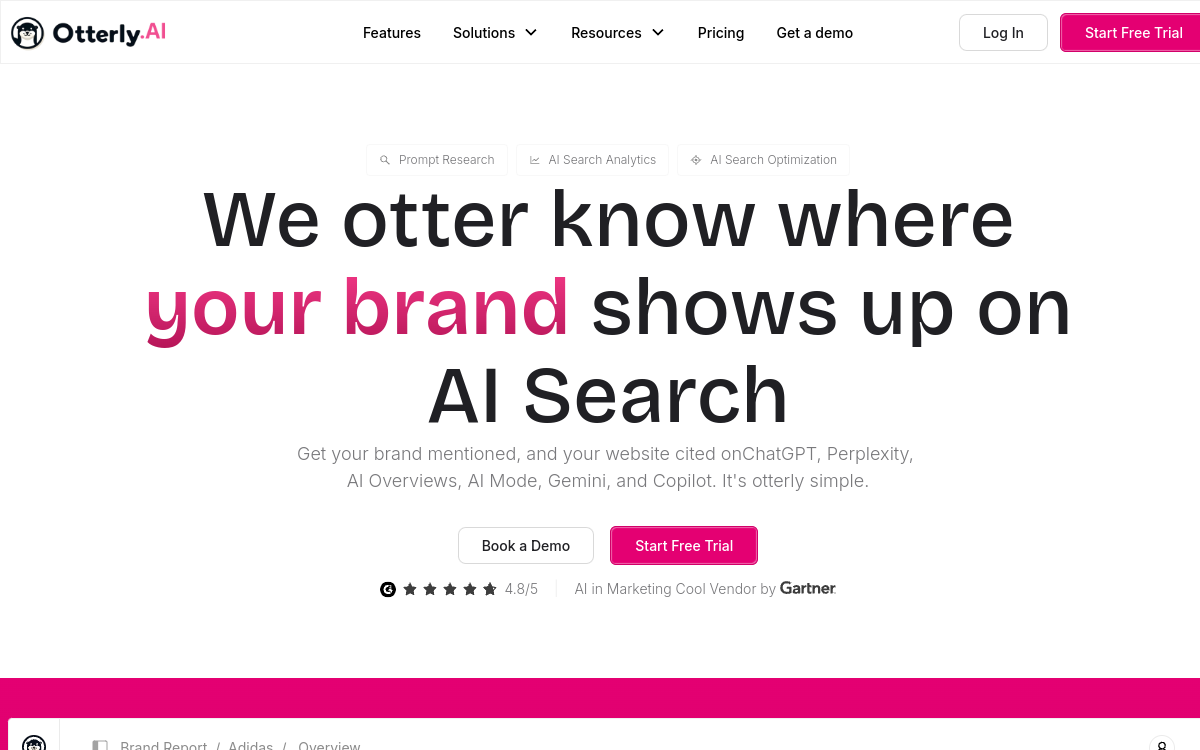
5. Otterly.ai — Best Affordable Monitoring for Lean U.S. Teams
Headquarters: Europe-based, with heavy U.S. customer coverage
Best for: Startups and two-to-three-person marketing teams that need real data without procurement
Typical outcome: Fast, cheap clarity on where you actually stand
Otterly has become the practical answer for small American teams who need to stop guessing. You define the prompts your buyers really use, and it tracks brand mentions, link citations, and sentiment across the major AI search surfaces. Setup takes hours, not weeks, and the price does not require a legal review.
It is not a strategy partner and does not claim to be. You will still need someone to interpret the data and go build the missing signals. But as a first honest look at your position — and as a way to prove to a skeptical founder that the problem is real — it is hard to beat on value.
6. Peec AI — Best Prompt-Level Competitive Benchmarking
Headquarters: Berlin, with a growing U.S. book of business
Best for: Growth and demand-gen teams who want to see exactly where competitors are winning
Typical outcome: A clear competitive map of the prompts that matter in your category
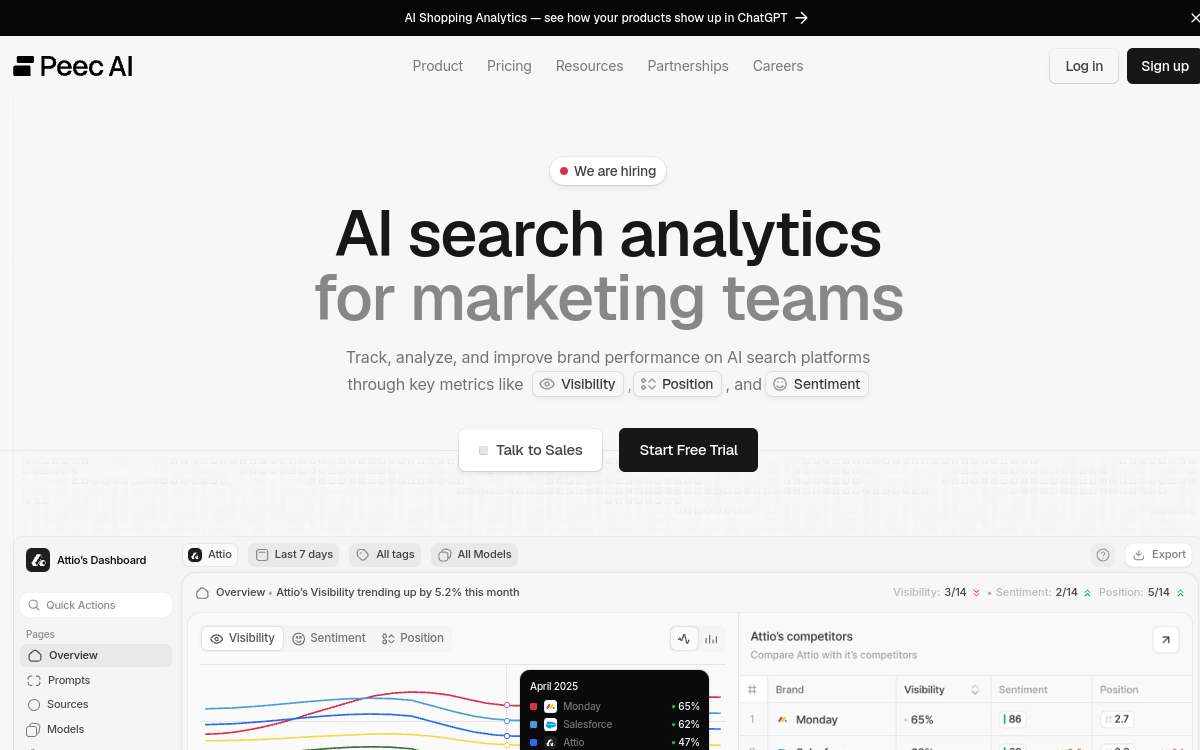
Peec's strength is comparison. Rather than reporting your visibility in isolation, it puts you next to the three or four brands you actually lose deals to and shows, prompt by prompt, who gets named and which sources the model pulled from. That framing tends to change internal conversations faster than any absolute score, because it turns an abstract worry into a specific list of threads, reviews, and articles you do not appear in.
Reporting-first, like Profound but lighter and cheaper. Pair it with an execution partner and it earns its keep quickly.
7. Single Grain — Best Hybrid for Brands Not Ready to Leave Traditional SEO
Headquarters: Los Angeles, CA
Best for: U.S. mid-market brands that still get real revenue from Google and cannot abandon it
Typical outcome: Incremental AI visibility without breaking an existing organic program
Most American companies are not in a position to walk away from search. They have a functioning organic channel, a paid program, and a content calendar — and now an AI visibility problem stacked on top. Single Grain is a competent, U.S.-based full-funnel shop that has folded AI search work into an existing SEO and paid practice rather than rebuilding from scratch.
Be honest with yourself about the trade-off. A generalist agency will move you less far on pure LLM recommendation rate than a specialist will, because the work is a service line rather than the whole company. If your goal is "don't lose ground while we protect Google," that is a reasonable choice. If your goal is "become the default answer in our category," hire a specialist.

What All Seven Have in Common
They treat this as a signal problem, not a keyword problem. They measure across multiple assistants instead of cherry-picking the flattering one. They refuse synthetic activity. And they accept how American buyers actually behave in 2026: ask two or three assistants, cross-check Reddit and G2, then maybe visit your site.
If a provider's pitch is "we'll add an FAQ block and some schema," you are looking at a 2019 SEO deck with new cover art.
Seven Questions That Separate Real Services From Rebrands
Make any provider answer these in writing before money moves.
- Can you show an anonymized source-attribution report from a current U.S. client? If they cannot produce one, they probably do not produce them at all.
- What is your written policy on synthetic reviews, AI-generated citations, and paid upvotes? Verbal reassurance is worthless here. Get it in the contract.
- Which assistants do you measure, and how often? Monthly spot checks are not measurement. Model updates move faster than that.
- Who specifically does the work, and are they in the United States? Not for chauvinism — for context. Someone who has never read r/msp will not place a credible thread in it.
- What happens to my results 90 days after I stop paying? An honest provider will say some signals persist and some decay, and will tell you which.
- What will you not do for me? Anyone who cannot name a limitation is selling, not consulting.
- How do you handle FTC disclosure on sponsored or incentivized content? In the U.S. this is a legal exposure, not a style preference.
What Realistic U.S. Pricing Looks Like in 2026
Rough ranges from what we see in the American market. Treat them as orientation, not quotes.
- Monitoring tools only: roughly $100 to $600 per month. Data, no execution.
- Enterprise measurement platforms: roughly $2,000 to $10,000 per month depending on prompt volume and seats.
- Specialist execution retainers: roughly $4,000 to $15,000 per month for real signal work across multiple assistants.
- Enterprise programs with PR and research components: $20,000 per month and up.
If someone quotes you $900 a month for full-service LLM SEO with guaranteed results, the math does not work. Credible third-party signal work involves human research, real outreach, and editorial placement. None of that is cheap, and anything that is cheap is almost certainly automated.
How Long This Takes
Set expectations before you sign, not after.
- Weeks 1–4: Baseline audit, gap analysis, technical fixes. Expect little visible movement.
- Weeks 4–10: First signals land and start getting indexed and cited. Early mentions appear, usually in Perplexity first because it retrieves live sources most aggressively.
- Weeks 10–16: Compounding begins. This is where most of our clients see the recommendation-rate curve bend.
- Month 6 and beyond: Defensive posture. You are protecting a position and adapting to model releases.
Anyone promising results in 14 days is either misunderstanding retrieval or hoping you will not check.
Our Recommendation, Stated Plainly
If you are a U.S. B2B or SaaS brand that needs the work done for you, hire a specialist execution partner — us, or someone who can pass the seven questions above. If you have a strong in-house team and need visibility, buy Profound. If your site is technically broken for AI, start with Scrunch. If you are DTC, start with Athena HQ. If you are small and need cheap truth, start with Otterly or Peec. If you cannot leave Google behind yet, Single Grain is a defensible compromise.
And if you are still not certain the problem is real for your brand, do the free version first. Open ChatGPT, Claude, Gemini, and Perplexity, and ask each one the question your best customer would ask before buying. Write down every brand named. If you are missing from three out of four, you now have a number to take to your leadership team — and a reason to keep reading.
When you are ready for a second set of eyes, our free AI visibility audit is exactly that, run by a person, with the raw output attached.
Frequently Asked Questions
What is an LLM SEO service?
An LLM SEO service works to get your brand named and cited in answers from AI assistants such as ChatGPT, Claude, Gemini, and Perplexity. Instead of chasing blue-link rankings, it builds and strengthens the third-party sources those models retrieve and trust — reviews, community discussions, independent coverage, and structured on-site content.
How is LLM SEO different from traditional SEO?
Traditional SEO optimizes for a ranked list of links on one search engine. LLM SEO optimizes for a single synthesized answer generated from many sources across several assistants. Keywords matter far less; source credibility, consistency of mention, and retrievability matter far more. A deeper comparison is in our LLM SEO vs traditional SEO breakdown.
How much does an LLM SEO service cost in the USA?
Monitoring tools generally run $100 to $600 per month. Enterprise measurement platforms typically run $2,000 to $10,000 per month. Specialist execution retainers usually fall between $4,000 and $15,000 per month, with enterprise programs going higher.
How long before I see results?
Most U.S. brands see first measurable movement in weeks four to ten, with meaningful compounding between weeks ten and sixteen. Perplexity usually reflects new signals first because it retrieves live sources most aggressively.
Can I do LLM SEO myself?
Partly. You can fix your own technical retrievability, publish comparison and documentation content, ask satisfied customers for honest reviews, and monitor your visibility with an affordable tool. What is hard to do alone is earning credible independent coverage and sustaining community presence at scale — that is where most in-house programs stall.
Get a free AI visibility audit · More research · LLM Recommend home